Indoor vs outdoor padel courts: cost, revenue and which to build
Outdoor is cheaper to build but loses hours to weather; indoor costs more but earns year-round. Here is how the two compare on cost, utilisation and return so you can choose with the numbers.
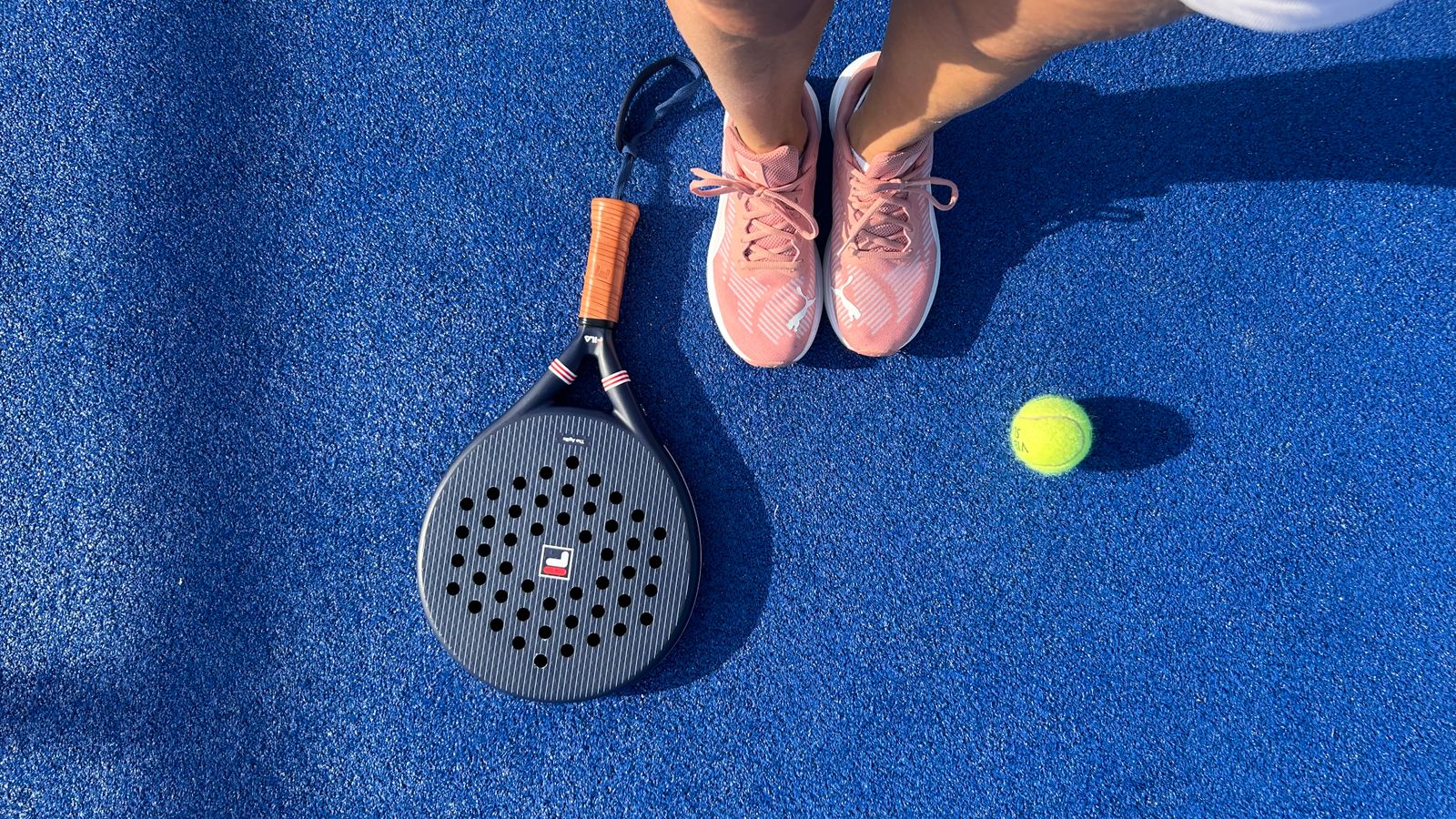
The indoor-versus-outdoor decision shapes your whole investment: cost, the hours you can sell and how weather-proof your revenue is. There is no universal answer - there is the answer for your climate, your budget and your market.
Build cost
Outdoor is cheaper. The court kit and a slab, lighting and groundwork, and you are playing. Indoor adds an enclosing structure and services, which materially raises the per-court cost - in some markets roughly double once the building is included. If capital is tight, outdoor gets you open sooner.
Hours you can actually sell
This is where indoor pays back. Outdoor courts lose hours to rain, wind, heat and short winter days - exactly the evenings and weekends you most want to sell. Indoor courts sell a full, predictable schedule all year, which is why their higher cost often returns faster than it looks.
Climate decides a lot
In a mild, dry climate, outdoor can run near indoor utilisation for a fraction of the cost. In a wet or cold one, outdoor courts sit empty for months and indoor is close to mandatory. Match the build to your weather, not to a brochure.
A common answer: both
Many clubs cover some courts and leave others open, capturing cheap outdoor capacity for good weather and weather-proof indoor capacity for the rest. It hedges your utilisation across the seasons.
Whatever you build, fill it
The court only earns when it is booked. Indoor or outdoor, the difference between a healthy club and a struggling one is utilisation - pricing, retention and keeping the schedule full.
kortbase runs the bookings, pricing and member communication that fill indoor and outdoor courts alike, so the capacity you paid to build actually earns.